








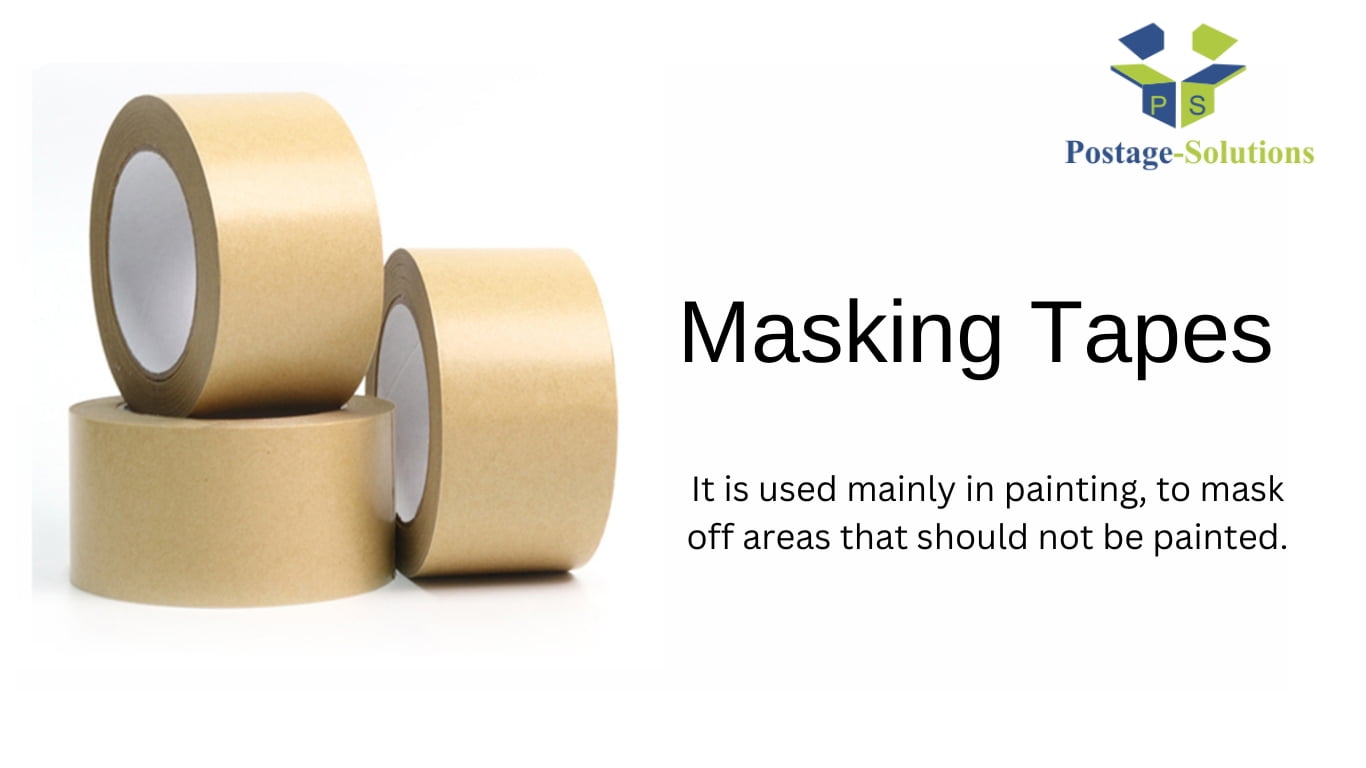
The Versatile Tool: Masking Tape
Masking tape is a valuable tool that often goes unnoticed in the world of adhesives and tapes. With its versatility and ability to provide temporary adhesion without leaving residue, masking tape has become a staple in various industries and everyday tasks. In this article, we will explore what masking tape is, its different types, benefits, proper application techniques, and how to choose the right one for your needs.
1. Introduction
In a world where adhesives play a crucial role, masking tape stands out as a reliable companion. It is a type of pressure-sensitive tape that is easy to apply, remove, and reposition. Masking tape consists of a thin strip of paper or film, coated with a pressure-sensitive adhesive on one side. This adhesive is designed to provide a secure hold when applied but can be easily removed without leaving residue or damaging the surface.
2. What is Masking Tape?
Masking tape is a versatile adhesive tape that finds its applications in various industries and everyday tasks. It is designed to be easily removable, making it ideal for temporary bonding, protecting surfaces, and creating clean paint lines. The tape’s adhesive properties allow it to stick firmly to surfaces, but it can also be peeled off without causing any damage or leaving behind adhesive residue.
3. Different Types of Masking Tape
General Purpose Masking Tape
General purpose masking tape is the most commonly used type. It is suitable for a wide range of applications such as painting, crafting, packaging, and labeling. It offers moderate adhesion and can be easily removed without leaving residue or damaging the surface.
High-Temperature Masking Tape
High-temperature masking tape is designed to withstand elevated temperatures without losing its adhesive properties. It is commonly used in automotive, aerospace, and electronics industries where heat resistance is required.
Automotive Masking Tape
Automotive masking tape is specifically designed for use in the automotive industry. It offers excellent adhesion and can withstand harsh conditions such as exposure to solvents, heat, and moisture. It is commonly used for masking during painting, sanding, and detailing operations.
Painter’s Masking Tape
Painter’s masking tape is designed for painting and provides clean and sharp paint lines. It adheres well to surfaces and can be easily removed without causing any damage or leaving behind residue. It is available in various widths to accommodate different painting needs.
4. Benefits and Uses of Masking Tape
Masking tape offers numerous benefits and finds its usefulness in a wide range of applications. Let’s explore some of its key benefits and common uses:
Painting and Decorating
One of the primary uses of masking tape is in painting and decorating projects. Whether you’re painting walls, furniture, or intricate designs, masking tape helps create clean and precise paint lines. It prevents paint from bleeding onto adjacent surfaces, resulting in professional-looking finishes.
Home Improvement Projects
Masking tape is an invaluable tool for various home improvement tasks. It can be used to protect baseboards, door frames, and window frames when painting or applying sealants. It also comes in handy during wallpaper installation, preventing adhesive from seeping onto areas where it’s not desired.
Crafting and DIY Projects
Crafters and DIY enthusiasts appreciate the versatility of masking tape. It can be used for holding items in place temporarily, creating stencils, securing materials during glue-ups, and providing guidelines for precise cuts. Its easy removal ensures that it doesn’t damage delicate surfaces or leave unwanted residue.
Automotive and Industrial Applications
In automotive and industrial settings, masking tape plays a crucial role. It is used for masking off areas during automotive painting, protecting sensitive components from paint overspray. Additionally, it finds applications in manufacturing processes, including bundling, labeling, and securing temporary fixtures.
5. How to Choose the Right Masking Tape
To achieve optimal results, it’s essential to choose the right masking tape for your specific needs. Here are some factors to consider when selecting the appropriate tape:
Consider the Surface
Different surfaces may require different types of masking tape. For delicate surfaces like freshly painted walls or wallpaper, opt for low-adhesive or delicate surface masking tape. For rough or textured surfaces, choose a tape with a stronger adhesive to ensure proper adhesion.
Consider the Temperature
If you’re working in environments with high temperatures, such as during automotive painting or industrial processes, select a high-temperature masking tape that can withstand heat without losing its adhesive properties.
Consider the Adhesive Strength
The adhesive strength of masking tape can vary. Determine the level of adhesion you need for your project. If you require temporary bonding that is easy to remove, opt for a tape with moderate adhesive strength. For applications where a stronger bond is necessary, choose a tape with higher adhesive strength.
Consider the Width and Length
Masking tape comes in various widths and lengths. Consider the size of the areas you need to mask off and choose a tape that provides sufficient coverage. A wider tape may be more efficient for larger surfaces, while a narrower tape offers more precision for intricate projects.
6. Proper Application and Removal of Masking Tape
Proper application and removal techniques are crucial to achieve the desired results and avoid any damage to surfaces. Here’s a step-by-step guide:
Preparing the Surface
Before applying masking tape, ensure that the surface is clean and free from dust, dirt, or oils. This allows the tape to adhere properly and prevents any contaminants from seeping under the tape.
Applying the Tape
Carefully position the masking tape along the desired line or area to be protected. Press down firmly to ensure proper adhesion. Use your fingers or a small roller to smooth out any air bubbles or wrinkles.
Removing the Tape
When it’s time to remove the masking tape, do it slowly and at a 45-degree angle. This helps prevent the tape from tearing or leaving behind any residue. If you encounter resistance while removing the tape, use a utility knife to cut through the edge and continue removing it gradually.
7. Tips for Getting the Best Results with Masking Tape
To ensure the best results when using masking tape, consider the following tips:
Avoid Overlapping Tape
When applying masking tape, avoid overlapping it as it can create uneven lines and make removal more challenging. Instead, apply each strip of tape side by side for clean and precise edges.
Press the Tape Firmly
To ensure proper adhesion, press the masking tape firmly onto the surface. This helps create a strong bond and prevents paint or other materials from seeping under the tape.
Remove the Tape at the Right Time
Timing is crucial when it comes to removing masking tape. If you remove it too soon, the paint may smudge or bleed. Conversely, if you leave it on for too long, it may become more difficult to remove, and it could leave residue behind. Follow the recommended time frame provided by the manufacturer for the best results.
Store Masking Tape Properly
To maintain the adhesive properties of masking tape, store it in a cool, dry place away from direct sunlight. Ensure the tape is kept in its original packaging or in a sealed container to prevent dust or debris from compromising its adhesive quality.
8. Common Mistakes to Avoid with Masking Tape
To achieve the best results with masking tape, be mindful of these common mistakes:
Applying Tape to Wet Surfaces
Avoid applying masking tape to wet surfaces, as it may not adhere properly and could lose its adhesive properties. Ensure the surface is dry before applying the tape for optimal performance.
Leaving the Tape on for Too Long
Leaving masking tape on surfaces for an extended period can make it more challenging to remove. The adhesive may bond more strongly with the surface, potentially causing damage or leaving residue. Remove the tape within the recommended time frame to avoid complications.
Using the Wrong Tape for the Job
Different projects require different types of masking tape. Using the wrong tape, such as low-adhesive tape for high-temperature applications, may result in inadequate adhesion or damage to surfaces. Always choose the appropriate tape based on the specific requirements of your project.
9. Conclusion
Masking tape is a versatile tool that offers temporary adhesion and clean removal. Whether you’re painting, decorating, crafting, or working on automotive or industrial projects, masking tape can simplify your tasks and help you achieve professional results. By understanding the different types of masking tape, selecting the right one for your needs, and employing proper application and removal techniques, you can make the most of this valuable adhesive tool.
10. FAQs
- Q: Can masking tape be used on all surfaces?
- A: Masking tape can be used on a wide range of surfaces, including painted walls, wood, metal, glass, and plastic. However, it’s essential to consider the surface type and choose the appropriate masking tape to ensure proper adhesion and avoid any damage.
- Q: Can masking tape be reused?
- A: Masking tape is not designed for reusability. Its adhesive properties may weaken after removal, making it less effective for subsequent uses. It’s recommended to use fresh tape for each project.
- Q: Is masking tape waterproof?
- A: Standard masking tape is not waterproof. If you require waterproof or water-resistant masking tape, look for specific varieties designed for such applications.
- Q: Can masking tape be used for outdoor projects?
- A: While some masking tapes offer limited resistance to outdoor conditions, they are not specifically designed for prolonged exposure to elements. For long-lasting and weather-resistant applications, consider using specialized outdoor tapes.
- Q: Can masking tape be used for labeling purposes?
- A: Yes, masking tape can be used for labeling various items or containers. Its easy removal and ability to write on the surface make it a convenient option for temporary labeling needs.
- Q: Can masking tape be used on delicate surfaces?
- A: Yes, masking tape comes in varieties specifically designed for delicate surfaces. These tapes have lower adhesive strength, ensuring that they can be easily removed without causing any damage or leaving residue.
- Q: Can masking tape be used for holding objects together?
- A: While masking tape can provide temporary hold, it may not be suitable for heavy-duty or long-term bonding. For more secure and permanent bonding, consider using other types of adhesive tapes or appropriate fasteners.
- Q: Can masking tape be used for electrical applications?
- A: Masking tape is not recommended for electrical applications. It may not provide adequate insulation or withstand the electrical currents. Use specialized electrical tapes designed for electrical insulation and safety.
- Q: Can masking tape be used for sealing packages?
- A: Masking tape can be used for temporary sealing of lightweight packages. However, for secure and durable packaging, it is advisable to use packaging tapes specifically designed for that purpose.
- Q: Can masking tape be used for removing lint or pet hair?
- A: Masking tape can be helpful in removing lint or pet hair from clothing or upholstery. Simply wrap a strip of tape around your hand with the adhesive side facing out, and lightly press it against the fabric to pick up the lint or hair.