







The future of sustainable packaging is expected to be driven by a range of trends and innovations aimed at reducing waste, minimizing environmental impact, and improving overall sustainability. Here are some key trends and innovations that are likely to shape the future of sustainable packaging:
- Biodegradable and Compostable Materials: There is a growing demand for packaging materials that are biodegradable and compostable. Innovations in this area include the development of bioplastics made from renewable resources like corn starch, cellulose, or algae. These materials can break down naturally in composting facilities or soil, reducing their environmental impact.
- Plant-Based and Renewable Materials: Plant-based materials, such as bamboo, sugarcane, or hemp, are gaining popularity as alternatives to traditional packaging materials. These materials are renewable, require fewer resources to produce, and often have a lower carbon footprint.
- Recyclable Packaging: The emphasis on recycling will continue to grow, with a focus on designing packaging that is easily recyclable. This includes using mono-material packaging (made from a single type of material) or materials that can be easily separated and recycled. Additionally, innovative recycling technologies, such as chemical recycling or advanced sorting systems, will play a role in increasing recycling rates.
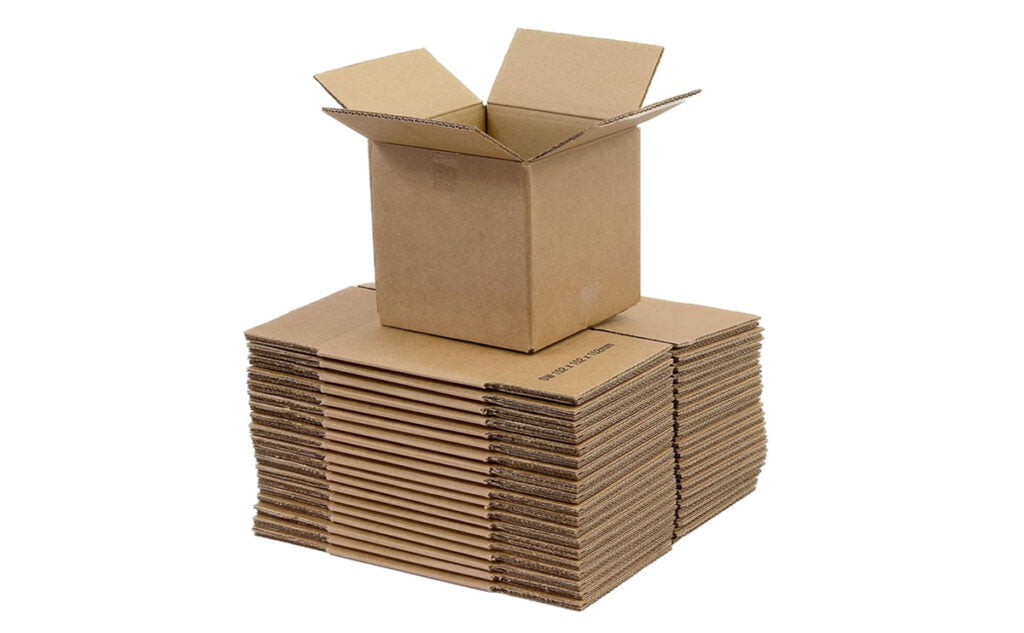
- Minimalist Packaging: Minimalist packaging aims to reduce the amount of material used in packaging while maintaining product protection. This trend involves eliminating excess layers, reducing the size of packaging, and using lighter materials. By minimizing packaging, less waste is generated, and resources are conserved.
- Smart Packaging: Technology-enabled packaging solutions will play a significant role in sustainability. Smart packaging can include features such as sensors to monitor product freshness or temperature, interactive labels to provide information or promotions, and QR codes or RFID tags to facilitate recycling or provide traceability.
- Reusable Packaging: Reusable packaging systems are gaining popularity, particularly in e-commerce and retail sectors. This includes options like refillable containers, returnable packaging, or packaging that can be easily repurposed for other uses. These systems aim to reduce waste by extending the lifespan of packaging materials.
- Innovative Alternative Packaging: Beyond traditional materials, innovative alternatives are emerging. Examples include edible packaging made from seaweed or other edible materials, mushroom-based packaging that is biodegradable, and even packaging made from recycled agricultural waste or byproducts.
- Design for Circularity: Designing packaging with a circular economy in mind involves considering the entire lifecycle of a product, from raw materials to disposal or reuse. Packaging designers are increasingly focusing on creating packaging that is easy to recover, recycle, or compost, and designing packaging systems that support closed-loop systems.
- Collaboration and Industry Initiatives: Addressing sustainability challenges in packaging requires collaboration across industries. Many companies are joining forces through industry initiatives and partnerships to develop standardized sustainable packaging solutions, share best practices, and drive innovation.
These trends and innovations represent a shift towards more sustainable packaging practices and reflect the growing consumer demand for environmentally friendly options. As technology advances and awareness around sustainability increases, we can expect further advancements in sustainable packaging in the future.