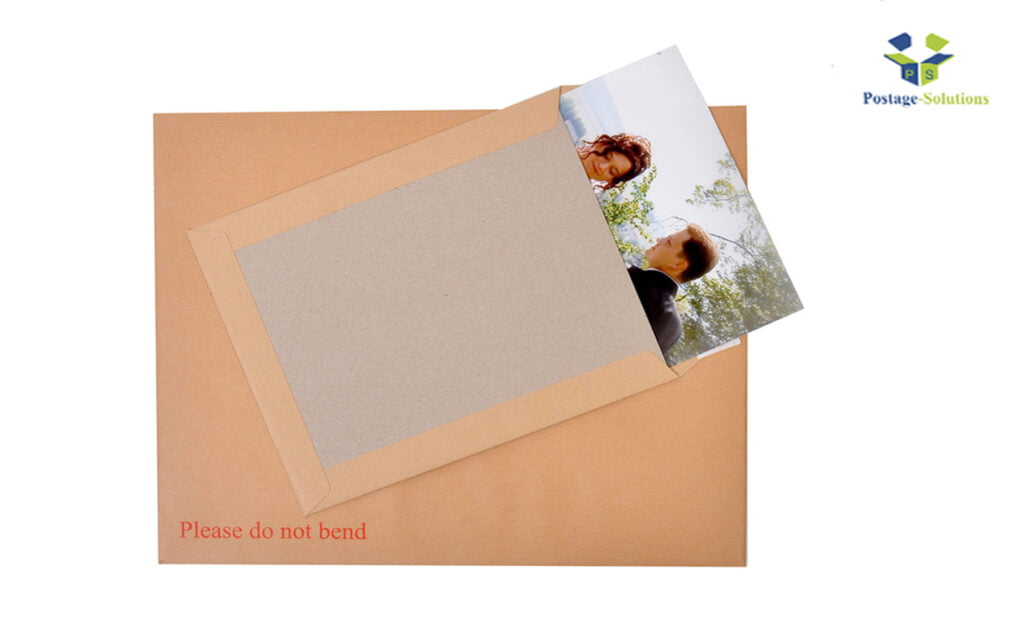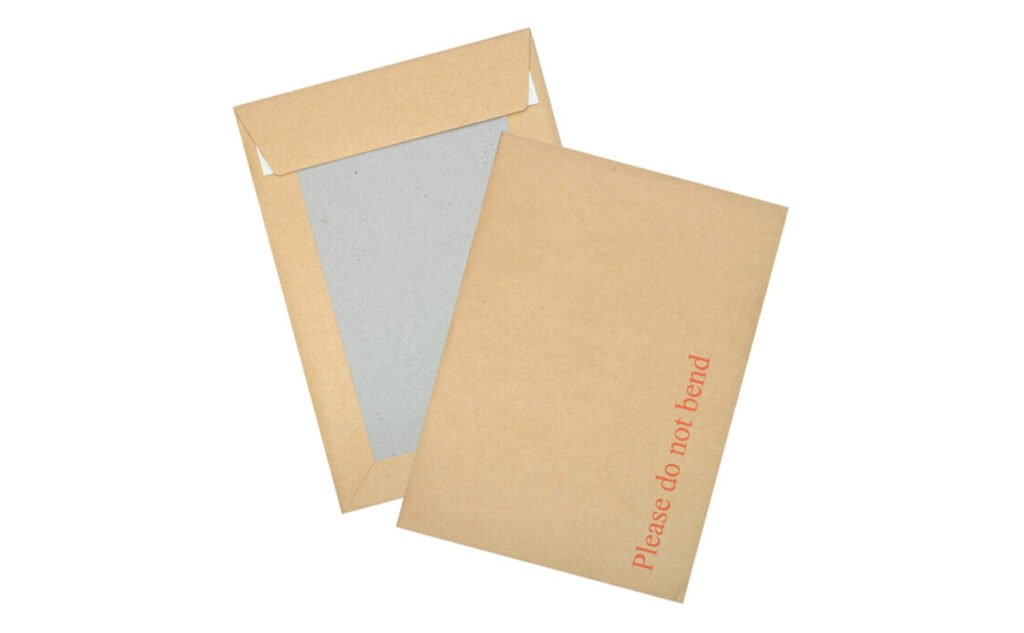








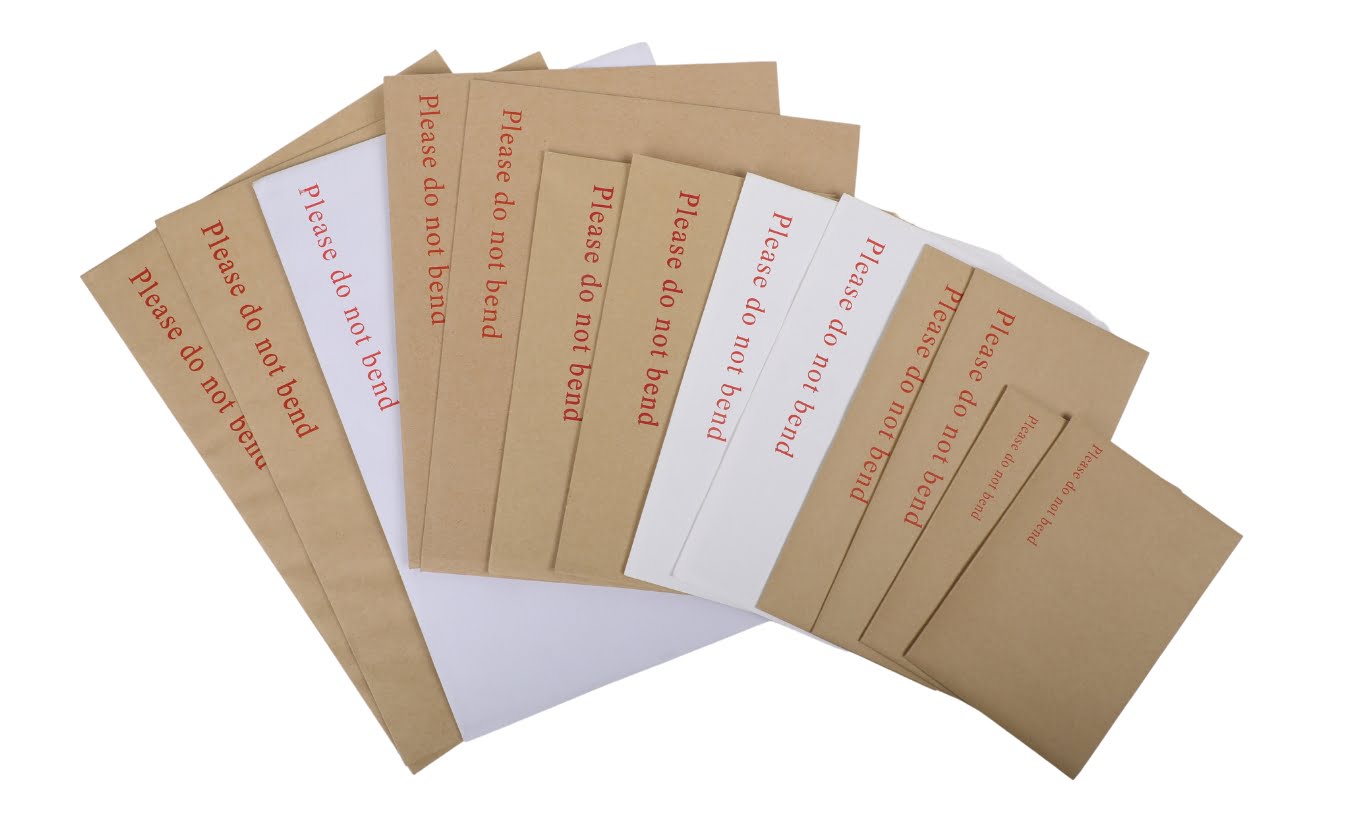
Writing about the top mistakes to avoid when using board backed envelopes can be extremely helpful for businesses and individuals who want to ensure their documents and photos arrive safely and in pristine condition. Here's a comprehensive look at some of the common pitfalls and how to avoid them:
1. Choosing the Wrong Size
One of the most common mistakes is selecting an envelope that's too small or too large for the contents. An envelope that's too small may require forcing the item inside, risking damage. Conversely, too large an envelope allows contents to move around, which could lead to bending or corner damage. Always choose an envelope that fits the contents snugly.
2. Inadequate Sealing
Improper sealing can lead to the envelope opening during transit, which exposes the contents to potential damage or loss. Always ensure that the adhesive is secure and, if necessary, use additional sealing methods like tape over the flap, especially if the contents are heavy or if the envelope will be in transit for a long time.
3. Overloading the Envelope
Board backed envelopes are designed to provide rigidity and protection, but overloading them can compromise their structural integrity. This not only makes them difficult to handle but also increases the risk of tearing during shipping. It's crucial to use an appropriate size and not to exceed the envelope's capacity.
4. Neglecting Cushioning for Fragile Items
Even though board backed envelopes provide a rigid back, they don’t offer much in the way of cushioning. For fragile items like thin glass, small electronics, or delicate jewelry, additional padding with bubble wrap or foam may be necessary to prevent damage from impacts during transit.
5. Ignoring Labeling Requirements
Mislabeling or poor labeling practices can result in misdelivery or returns. Always make sure the address and return address are clearly written or printed. Additionally, labels should be securely attached and placed on the front of the envelope to avoid any confusion during sorting and delivery.
6. Using Low-Quality Envelopes
Not all board backed envelopes are created equal. Using low-quality materials can result in envelopes that don’t offer sufficient protection or that degrade quickly. Invest in high-quality envelopes from reputable suppliers to ensure that your items are protected by the best materials available.
7. Disregarding Weather Protection
Paper-based envelopes can be vulnerable to water damage. If your item needs to be protected from moisture (especially important for photographs and inkjet-printed materials), consider using envelopes with water-resistant outer layers or placing the contents in plastic sleeves before mailing.
8. Not Testing Before Bulk Sending
Before sending out a large batch of important items, it's wise to send a test envelope to see how well it holds up through the mailing process. This can help you identify and correct any issues with packaging techniques or envelope quality before you commit to a larger shipment.
By avoiding these common mistakes, you can greatly increase the likelihood that your items will arrive at their destination safely and in the condition they were sent. This ensures not only the physical safety of the mailed items but also the professionalism and reliability of your service or business.