







Uses of Cardboard Boxes: A Versatile Packaging Solution
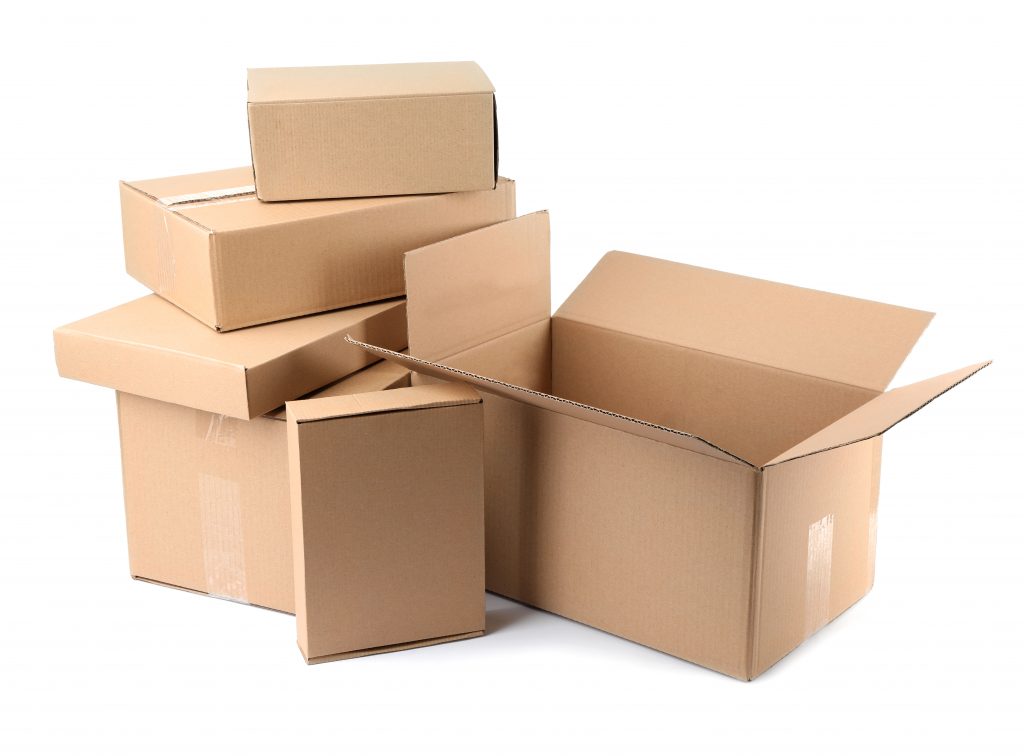
Cardboard boxes are widely recognized as one of the most versatile packaging solutions available today. They offer a range of benefits and are used in various industries and applications. In this blog, we will explore the many uses of cardboard boxes and highlight their significance in different contexts.
Introduction: The Importance of Cardboard Boxes
Cardboard boxes play a crucial role in our daily lives, offering a reliable and efficient solution for packaging and transportation. They are made from a durable and lightweight material, making them ideal for various purposes. Whether you're moving to a new home, shipping products, or organizing your belongings, cardboard boxes provide a convenient and effective solution.
Cardboard Boxes in E-commerce and Shipping
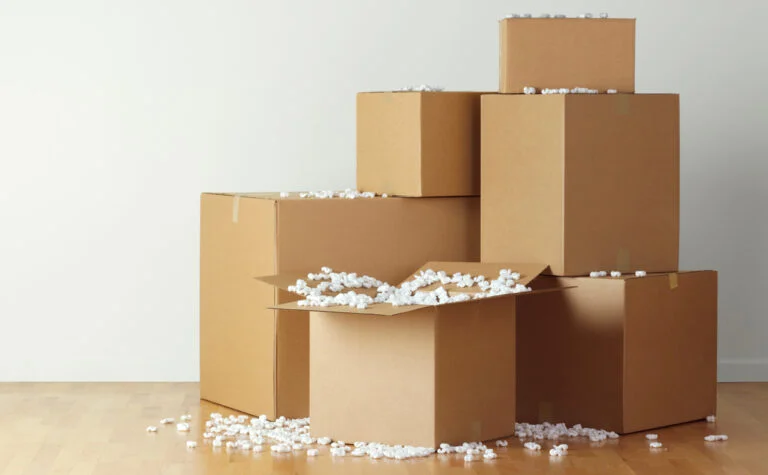
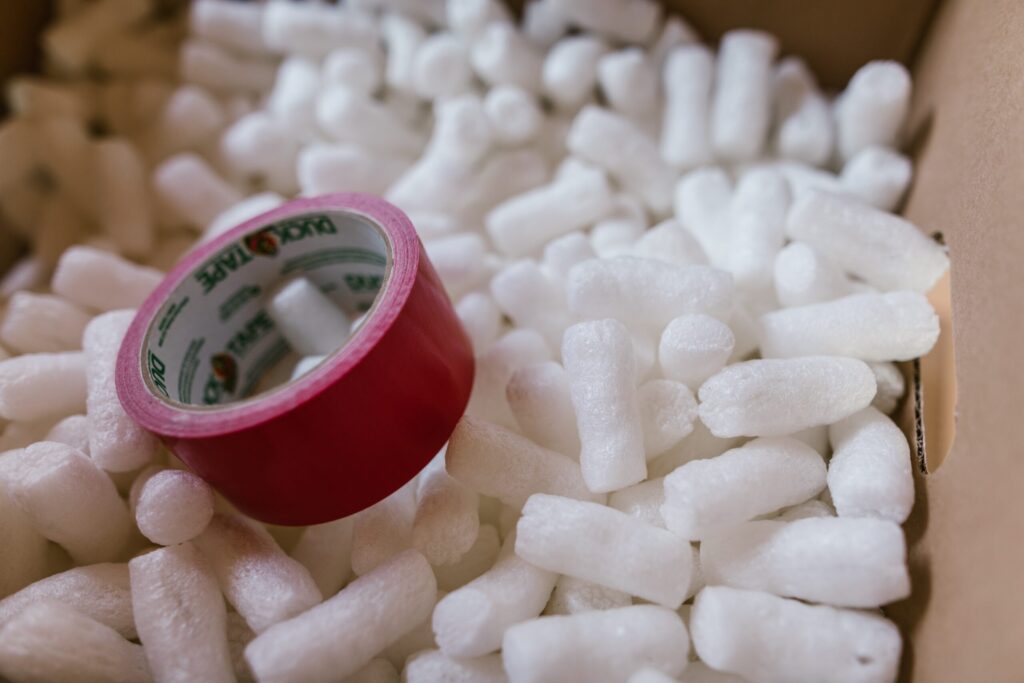
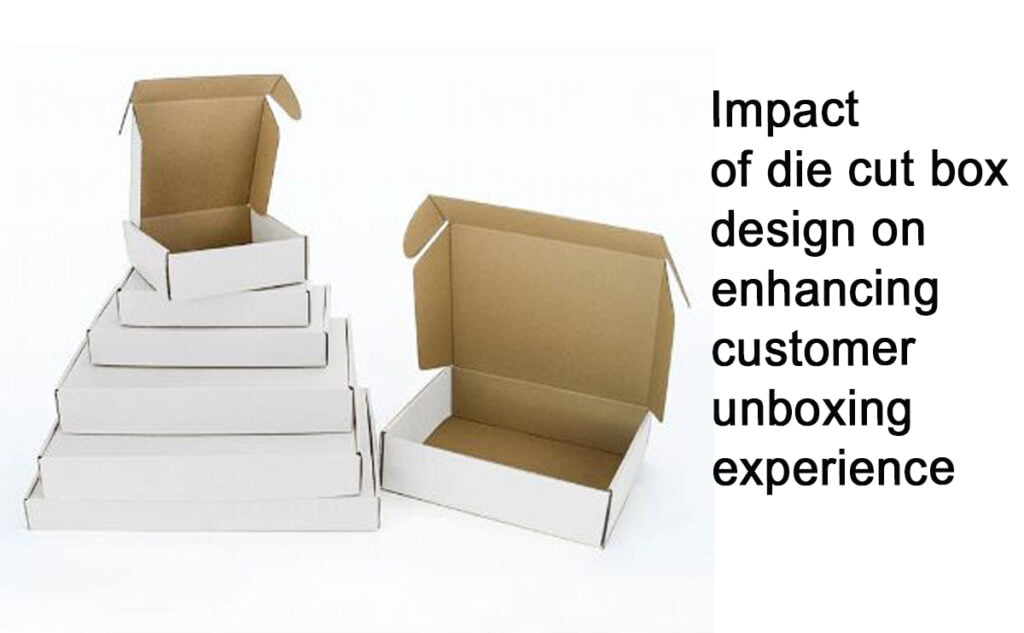
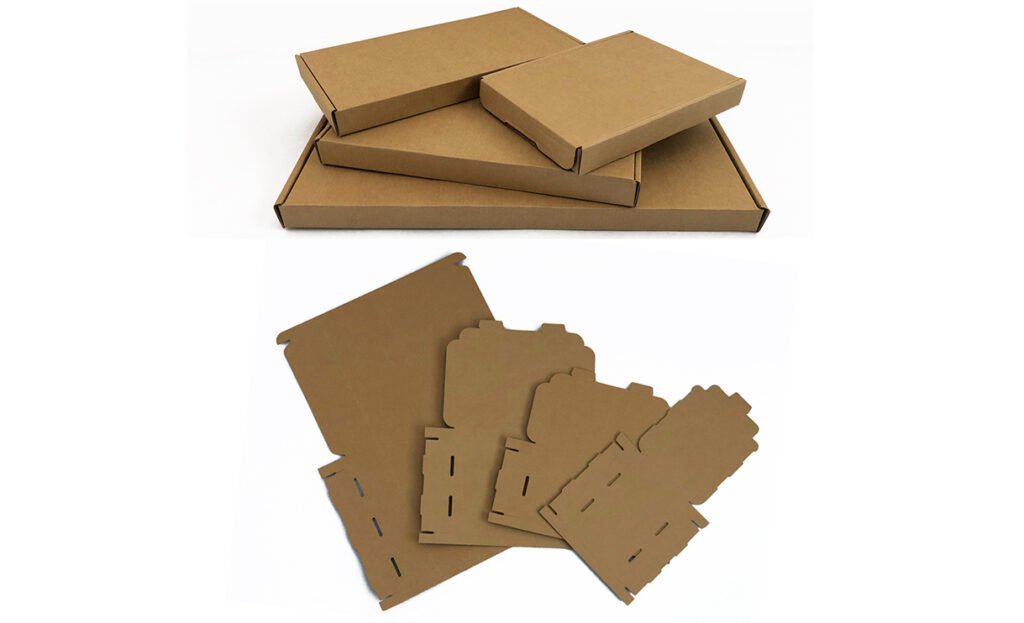
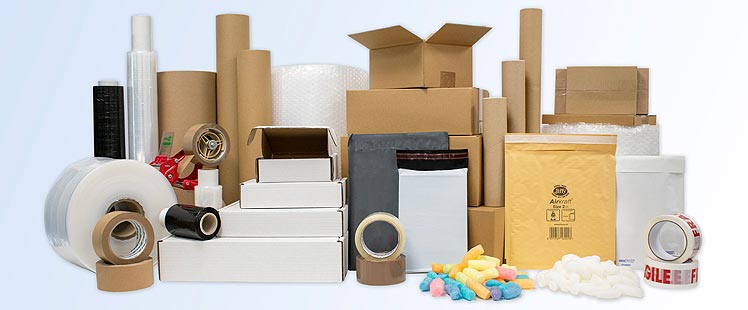
In the digital age, e-commerce has experienced significant growth, and cardboard boxes have become synonymous with online shopping. They serve as the primary packaging material for shipping products to customers' doorsteps. Cardboard boxes protect items during transit, ensuring they reach their destination safely. They are available in various sizes and shapes to accommodate different products and are often used alongside protective packaging materials such as bubble wrap and packing peanuts.
Cardboard Boxes for Storage and Organization
Cardboard boxes are excellent for storage and organization purposes. They offer a cost-effective solution for keeping items neatly organized in homes, offices, and warehouses. Whether it's seasonal decorations, documents, or personal belongings, cardboard boxes provide a convenient way to keep things in order. They can be stacked, labeled, and easily accessed when needed, making them a popular choice for efficient storage solutions.
Cardboard Boxes in Retail Packaging
When it comes to retail packaging, cardboard boxes are highly versatile. They can be customized to fit the branding and marketing needs of businesses. Cardboard boxes with attractive designs and logos create a positive impression on customers and enhance the overall shopping experience. Additionally, they provide a durable and secure packaging option for fragile items, ensuring their safe display and delivery to customers.
Cardboard Boxes for Moving and Relocation
Moving to a new home can be a stressful process, but cardboard boxes simplify the task. They are lightweight, easy to handle, and offer ample space to pack belongings efficiently. Cardboard boxes designed specifically for moving often come with handles and are available in various sizes to accommodate different items. They provide protection for fragile items and help streamline the moving process.
Customization and Branding Opportunities
One of the significant advantages of cardboard boxes is the ability to customize them to align with a brand's identity. Businesses can print their logos, taglines, and contact information on the boxes, creating a cohesive and professional image. This branding opportunity helps companies establish brand recognition and leave a lasting impression on customers.
Cardboard Boxes in Arts and Crafts
Cardboard boxes have found their way into the world of arts and crafts. They serve as a versatile medium for creating various art projects, including dioramas, models, and sculptures. Their sturdy structure and ease of manipulation make them an excellent choice for artists and craft enthusiasts. Cardboard boxes also provide a sustainable and eco-friendly alternative to traditional art materials.
Cardboard Boxes in Agriculture and Farming
In the agricultural industry, cardboard boxes are used for packaging and transporting fruits, vegetables, and other agricultural products. They offer a cost-effective solution for farmers and distributors, ensuring the freshness and protection of perishable goods. Cardboard boxes provide ventilation to prevent moisture buildup, allowing the produce to stay fresh for longer periods.
Cardboard Boxes in the Food Industry
Cardboard boxes are widely used in the food industry for packaging products such as cereals, snacks, frozen foods, and beverages. They meet stringent safety and hygiene standards, providing a reliable packaging solution for food manufacturers and distributors. Cardboard boxes with appropriate coatings and liners ensure the integrity and freshness of food products.
Cardboard Boxes for Event and Exhibition Displays
Cardboard boxes have gained popularity in event and exhibition displays due to their versatility and cost-effectiveness. They can be transformed into creative structures, such as stands, podiums, and temporary walls. Cardboard boxes offer a lightweight and portable solution for showcasing products and marketing materials at trade shows, conferences, and other events.
Cardboard Boxes in Waste Management and Recycling
Cardboard boxes are recyclable and contribute to sustainable waste management practices. Recycling cardboard helps conserve natural resources, reduces energy consumption, and minimizes landfill waste. Many communities have established recycling programs to collect and process cardboard boxes, emphasizing their eco-friendly nature.
Sustainability and Environmental Benefits
Cardboard boxes are an environmentally friendly packaging solution. They are made from renewable resources, primarily recycled paper, and can be recycled multiple times without losing their structural integrity. Choosing cardboard boxes over non-biodegradable materials helps reduce carbon footprint and promotes a greener future.
Cost-Effectiveness of Cardboard Boxes
Compared to other packaging materials, cardboard boxes are cost-effective. They are affordable, readily available, and offer excellent value for money. Manufacturers can produce cardboard boxes in large quantities, leading to economies of scale. This cost-effectiveness makes cardboard boxes an attractive option for businesses across various industries.
Cardboard Boxes in Education and Learning
Cardboard boxes have proven to be valuable educational tools for children and educators alike. They encourage creativity and problem-solving skills as children transform them into forts, playhouses, or other imaginative creations. Educators often use cardboard boxes for hands-on activities, such as building models, conducting science experiments, or organizing classroom materials.